- Secure platforms and lab casino experiences for discerning players
- Understanding the Core Principles of a Secure Gaming Environment
- The Role of Cryptography and Provably Fair Systems
- User Experience and Interface Design in Advanced Casino Platforms
- Responsible Gaming Tools and Player Protection Mechanisms
- Utilizing AI and Machine Learning for Proactive Player Support
- The Future of ‘Lab Casino’ Concepts: Blockchain Integration and Decentralization
- Expanding the Vision: Integration with Virtual and Augmented Reality
Secure platforms and lab casino experiences for discerning players
The world of online gaming is constantly evolving, with new and innovative platforms emerging to cater to the discerning player. Among these, the concept of a ‘lab casino’ has gained traction, representing more than just a digital space for games of chance. It signifies a meticulously designed environment focused on security, fairness, and a user experience that prioritizes transparency and control. The appeal lies in the promise of a scientifically approached gaming experience, where randomness is verifiable, and trust is paramount.
This approach isn't just about aesthetics or branding; it's a fundamental shift in how online casinos operate. Traditionally, players have had to rely on the reputation of the operator and the licensing jurisdiction to ensure fair play. A lab casino aims to disrupt this model by providing demonstrable proof of fairness through cryptographic methods and open-source algorithms. This, coupled with advanced security measures, creates a safer and more engaging environment for those who enjoy the thrill of online gaming. The improvement in player confidence is central to this design philosophy.
Understanding the Core Principles of a Secure Gaming Environment
At the heart of a modern, responsible gaming platform lies a commitment to security. However, 'security' encompasses much more than just protecting financial transactions. It extends to safeguarding personal data, preventing fraud, and ensuring the integrity of the games themselves. A robust security architecture typically involves multiple layers, including encryption, firewalls, intrusion detection systems, and regular security audits. These measures are vital for preventing unauthorized access to sensitive information and maintaining the overall stability of the platform. Furthermore, strong authentication protocols, such as two-factor authentication, add an extra layer of protection against account compromise. The emphasis is on proactive defense, anticipating potential threats and mitigating risks before they can impact players.
Beyond technical safeguards, responsible operational practices are equally crucial. This involves adhering to strict data privacy regulations, implementing comprehensive anti-money laundering (AML) procedures, and providing players with the tools they need to manage their gaming activity responsibly. Effective customer support is also essential, offering timely assistance and addressing any concerns promptly and professionally. Operators should not only comply with legal requirements but also strive to exceed industry standards in terms of security and player protection. This commitment builds trust and fosters a positive relationship with the player base.
The Role of Cryptography and Provably Fair Systems
Cryptography plays a pivotal role in modern secure gaming platforms, forming the backbone of many fairness mechanisms. Techniques like hashing and digital signatures are used to verify the integrity of game results, ensuring that they haven’t been tampered with. The concept of 'provably fair' systems allows players to independently verify the randomness of each game outcome. This is typically achieved by using a seed value that is generated by both the operator and the player. Combining these seeds and feeding them into a cryptographic algorithm produces a result that is demonstrably random and unpredictable.
However, implementing provably fair systems effectively requires transparency and accessibility. Players need to understand how the system works and have access to the necessary tools to verify the results themselves. Operators should provide clear documentation and user-friendly interfaces that simplify the verification process. Moreover, the use of open-source algorithms allows for independent scrutiny by the community, further enhancing trust and accountability. These systems are about more than just technology; they are about empowering players with knowledge and control.
| Security Feature | Description |
|---|---|
| Encryption | Protects data transmission using complex algorithms. |
| Two-Factor Authentication | Requires multiple verification methods for account access. |
| Provably Fair Systems | Allows independent verification of game outcomes. |
| Regular Security Audits | Identifies and addresses vulnerabilities in the platform. |
Implementing these sophisticated security measures is no longer optional – it’s a necessity for building and maintaining a trustworthy relationship with players. The future of online gaming demands a shift towards greater transparency and accountability, and these technologies are leading the charge.
User Experience and Interface Design in Advanced Casino Platforms
Beyond security, a seamless and intuitive user experience is paramount. A well-designed interface can significantly enhance player engagement and satisfaction. The layout should be clean and uncluttered, with clear navigation and easy access to key features. Responsive design is essential, ensuring that the platform functions flawlessly across a wide range of devices, from desktops and laptops to smartphones and tablets. Personalization options, such as customizable themes and preferred game filters, can also add value by tailoring the experience to individual preferences. The interface should also provide clear and concise information about game rules, betting limits, and payout structures.
Furthermore, the user experience should be optimized for speed and performance. Slow loading times and clunky animations can quickly frustrate players and drive them away. Efficient code optimization, content delivery networks (CDNs), and image compression techniques can all contribute to a faster and more responsive platform. Accessibility is another important consideration, ensuring that the platform is usable by people with disabilities. This includes providing alternative text for images, supporting keyboard navigation, and offering options for adjusting font sizes and colors. A well-designed platform prioritizes inclusivity and provides a positive experience for all players.
- Clear Navigation: Easy-to-find menus and search functionality.
- Responsive Design: Adapts to different screen sizes and devices.
- Personalization Options: Allows players to customize their experience.
- Fast Loading Times: Optimized for speed and performance.
- Accessibility Features: Supports users with disabilities.
- Robust Search Functionality: Quickly find your favorite games.
The goal isn’t simply to present games; it’s to create an immersive and enjoyable experience that keeps players coming back for more. Investing in user experience is an investment in player retention and long-term success.
Responsible Gaming Tools and Player Protection Mechanisms
A truly responsible gaming platform goes beyond simply offering games; it actively promotes responsible gambling habits and provides players with the tools they need to stay in control. This includes features such as deposit limits, loss limits, self-exclusion options, and time limits. Deposit limits allow players to set a maximum amount of money they can deposit into their account within a specified period. Loss limits restrict the amount of money players can lose over a given timeframe, while self-exclusion allows players to temporarily or permanently block themselves from accessing the platform. Time limits restrict the amount of time players can spend on the platform in one session.
Furthermore, operators should provide players with access to information about responsible gambling resources, such as helplines and support groups. Proactive monitoring of player activity can also help identify those who may be at risk of developing a gambling problem. This may involve flagging unusual betting patterns or excessive spending. Operators should be trained to identify and respond to signs of problem gambling, offering support and guidance to players in need. A commitment to responsible gaming is not only ethically sound but also essential for maintaining a sustainable and positive relationship with the player base.
Utilizing AI and Machine Learning for Proactive Player Support
Artificial Intelligence (AI) and Machine Learning (ML) is now being employed to proactively identify and assist players who may be exhibiting behaviors indicative of problem gambling. These technologies can analyze vast amounts of data, including betting patterns, deposit history, and time spent on the platform, to detect anomalies and predict potential risks. Instead of simply reacting to self-exclusion requests, AI/ML can enable operators to intervene early, offering targeted support and resources to players before their gambling behavior escalates. For example, a system might detect a sudden increase in betting activity or a player repeatedly attempting to circumvent deposit limits, triggering a personalized message offering assistance.
However, it’s crucial to use these technologies responsibly and ethically. Data privacy must be paramount, and players should be informed about how their data is being used. The goal is not to restrict or punish players but to provide them with the support they need to gamble responsibly. AI/ML can be a powerful tool for promoting responsible gambling, but it must be implemented with careful consideration and a commitment to player well-being. It shouldn’t be a replacement for human interaction; rather, it strengthens a support network.
- Set Deposit Limits
- Utilize Loss Limits
- Self-Exclusion Options
- Time Management Tools
- Access to Support Resources
- Proactive AI/ML Monitoring
By prioritizing player protection and responsible gaming, operators can create a sustainable and ethical gaming environment that benefits both the business and the players.
The Future of ‘Lab Casino’ Concepts: Blockchain Integration and Decentralization
The evolution of the “lab casino” concept is increasingly intertwined with blockchain technology and the principles of decentralization. Blockchain offers the potential to create truly transparent and verifiable gaming platforms, eliminating the need for intermediaries and reducing the risk of manipulation. Smart contracts, which are self-executing agreements written into code, can automate payouts and ensure fair play. Decentralized random number generators (DRNGs) can provide a provably fair source of randomness, further enhancing trust and accountability. This moves the power of verification into the hands of the players themselves.
Furthermore, blockchain can facilitate the creation of new and innovative gaming experiences, such as play-to-earn models where players are rewarded with cryptocurrency for their participation. This incentivizes engagement and fosters a sense of ownership within the community. However, the integration of blockchain into online gaming also presents challenges, such as scalability and regulatory uncertainty. These challenges will need to be addressed in order for blockchain-based casinos to reach their full potential. Collaboration between industry stakeholders and regulators is crucial to fostering innovation while ensuring player protection.
Expanding the Vision: Integration with Virtual and Augmented Reality
The boundaries of the online casino experience are set to expand dramatically with the integration of Virtual Reality (VR) and Augmented Reality (AR) technologies. Imagine stepping into a meticulously rendered virtual casino environment, complete with realistic sound effects and immersive visuals. VR can create a sense of presence and social interaction that is simply not possible with traditional online casinos. Players can interact with each other, chat with dealers, and experience the thrill of the casino floor from the comfort of their own homes. AR, on the other hand, can overlay digital elements onto the real world, transforming any space into a virtual casino. For example, AR could allow players to play a virtual slot machine on their kitchen table or participate in a virtual poker game with friends in their living room.
These technologies have the potential to revolutionize the online gaming experience, making it more engaging, immersive, and social. However, it’s important to consider the potential risks associated with VR/AR gaming, such as motion sickness and addiction. Operators should prioritize player well-being and implement safeguards to mitigate these risks. The future of gaming is about blurring the lines between the physical and digital worlds, and creating experiences that are both entertaining and responsible.
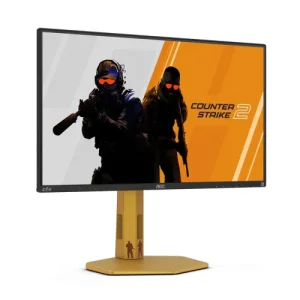 AOC CS25G 24.5" FHD 310Hz Fast IPS CS mode Gaming Monitor